
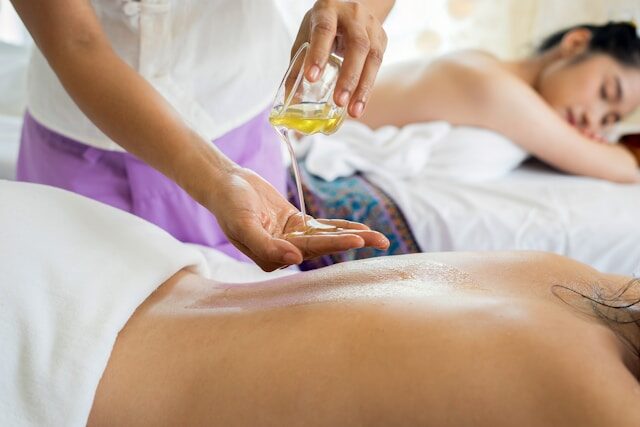
Spa experiences have long been treasured for their ability to soothe the mind, body, and spirit, offering a sanctuary where serenity reigns. The allure of a Napa spa, for example, lies in its promise to transport individuals into a realm of peace and relaxation, where the pressures of daily life momentarily fade away. These transformative journeys are about more than indulgence; they are opportunities to integrate mindfulness and self-care into one’s routine, cultivating long-lasting well-being.
The global embrace of spa treatments speaks volumes about their multifaceted benefits. People increasingly seek efficient ways to unwind and recharge in a fast-paced world. Spas have cemented their role as essential in pursuing mental and physical health by offering tranquility and stress relief environments. Let’s explore why spa experiences are universally appealing and delve into their profound impact on promoting mindfulness and relaxation.
The Universal Appeal of Spa Treatments
Spa treatments have seen a significant surge in popularity worldwide. They are revered for their personalized approach to addressing various health and wellness needs. From massages and facials to holistic therapies, spas offer tailored solutions that resonate with diverse cultural traditions and individual preferences. This growing popularity reflects a collective movement towards prioritizing mental and physical self-care. Recent global spa industry trends highlight that spas have become crucial to a well-balanced lifestyle, catering to those seeking respite and rejuvenation.
Spas provide a rare opportunity to disconnect from the daily grind, offering an oasis where individuals can focus solely on their well-being. The broad appeal of these treatments is evident in their ability to satisfy a wide range of desires—be it relaxation, pain alleviation, or beautification. This adaptability has turned spas into indispensable sanctuaries for all those looking to restore balance and harmony.
Mindfulness in Spa Experiences
Mindfulness, characterized by being present and fully engaged at the moment, is a cornerstone of what makes spa experiences so coveted. In spas’ serene settings, individuals are encouraged to leave behind their worries and immerse themselves in the ‘now.’ This practice not only aids relaxation but also fosters mental clarity and emotional balance. Spas promote mindfulness through guided breathing exercises, meditation, or sensory immersion to achieve deep mental calm.
By incorporating mindfulness into their core offerings, spas positively impact psychological well-being. Patrons often leave with reduced anxiety, greater emotional awareness, and a refreshed mindset. This mental state is critical for navigating life’s pressures with grace and resilience, underscoring the role of spas in promoting sustainable mental health practices.
Physical Benefits of Regular Spa Visits
Regular spa visits can yield many physical health benefits, often addressing issues beyond the visible. Bodywork techniques like deep tissue massage target muscle tension and promote better blood circulation, alleviating chronic pain and improving mobility. Similarly, hydrotherapy and reflexology support the body’s natural detoxification processes, enhancing overall vitality.
Scientific claims that spa treatments can be critical in managing stress-related conditions. Regular spas supporting these claims visits act as vital components in crafting a holistic health strategy by helping to lower blood pressure, alleviate muscle soreness, and improve sleep quality. These physical advantages make spa treatments attractive for individuals seeking comprehensive well-being.
Standard Spa Techniques for Home Use
The beauty of spa techniques lies in their versatility for home adaptation. Aromatherapy, for example, leverages the therapeutic properties of essential oils to elevate mood and foster relaxation. Similarly, self-massage techniques can be employed to relieve stress and promote circulation. Mindful breathing exercises enhance focus and reduce anxiety, offering quick solace and intense moments.
Creating a personal relaxation space at home with calming scents, soothing sounds, and a comfortable setting can significantly mirror the tranquility of spa visits. These minor yet impactful adjustments ensure that relaxation becomes integral to daily life, fostering a continuous state of well-being and mindfulness.
The Role of Environment in Relaxation and Healing
Spas excel in crafting environments that amplify the healing and relaxation process. Every element, from ambient lighting to soundscapes and aromatic essences, is thoughtfully curated to enhance the sensory experience. These meticulously designed environments inspire serenity, allowing patrons to fully immerse themselves in the moment, free from external distractions.
By understanding and embracing these environmental elements, individuals can apply similar principles at home to create a sanctuary of calm. Incorporating gentle music, the soft glow of candles, or diffused essential oils can recreate spa-like tranquility, helping maintain a peaceful mindset long after the spa day.
Integrating Spa Practices into Everyday Life
Incorporating spa-inspired practices into everyday living is about making mindful, sustainable changes that enrich daily routines. Whether setting aside time for meditation or consciously practicing self-care, these habits gradually enhance one’s quality of life. A harmonious balance between personal and professional obligations becomes attainable, fostering lasting mental tranquility and physical well-being.
The Future of Spa and Wellness
The spa industry is poised for exciting developments, characterized by an increasing emphasis on sustainability and technological advancements. Emerging trends suggest a move towards eco-friendly practices and integrating digital wellness tools that cater to tech-savvy clientele.