
Table of Contents
- Regular Inspections and Pumping
- Water Conservation
- Use of Eco-Friendly Products
- Proper Waste Disposal
- Landscape Management
- Educational Resources
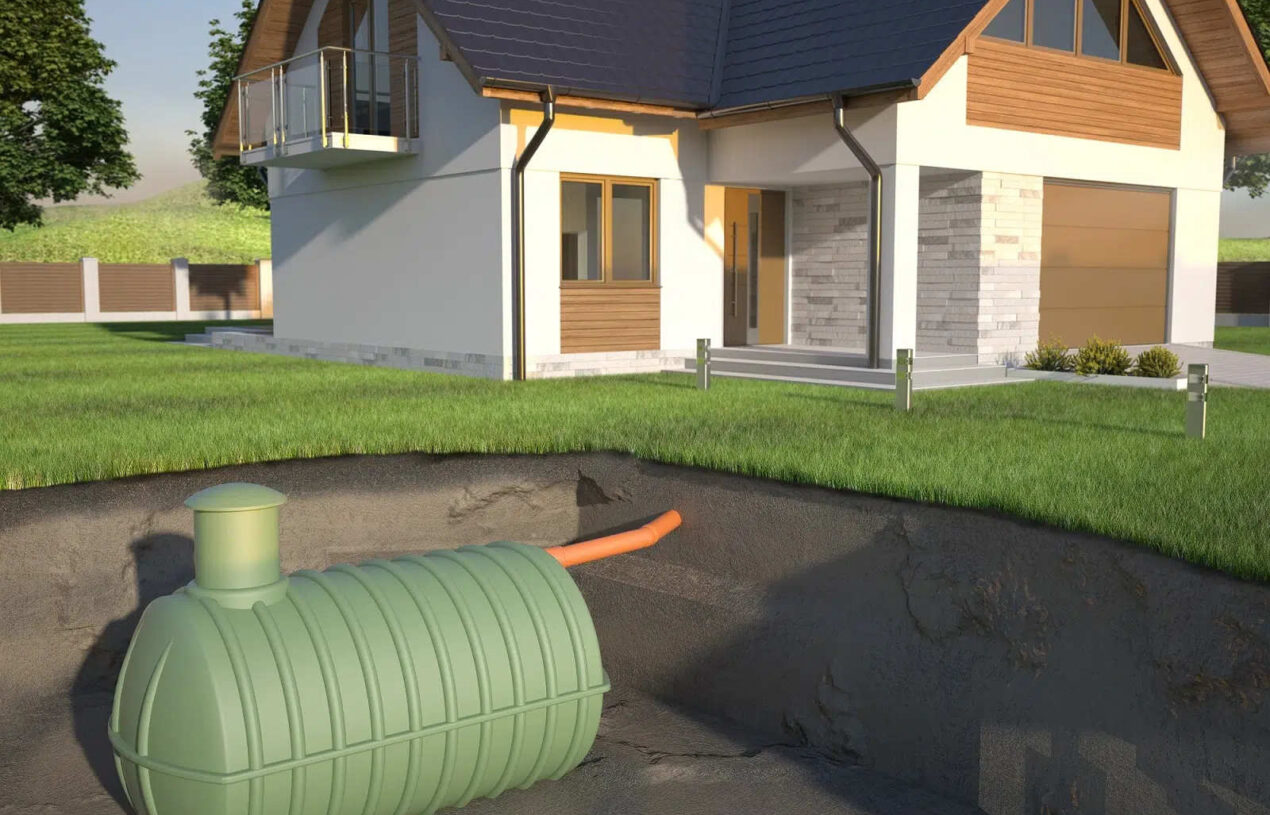
Adopting sustainable methods for maintaining your septic system is essential not only for the health of your home but also for safeguarding the natural environment. Proactive care can prevent costly repairs while reducing pollution and conserving resources. Exploring practices such as regular inspections, water conservation, and eco-conscious products ensures effective system operation and environmental harmony. Homeowners prioritizing proper septic cleaning and maintenance contribute to personal savings and a healthier planet.
Routine attention to your septic system helps prevent hazardous backups, groundwater contamination, and odors, while also increasing the longevity of your infrastructure. The shift towards eco-friendly management isn’t just a trend—it’s a necessity that benefits communities everywhere. Understanding how to minimize household impact on septic performance is central to responsible homeownership. Applying just a few practical strategies can help ensure that your system functions efficiently for years to come, providing peace of mind and environmental stewardship.
Sustainable septic care extends beyond the home for business owners and facility managers. Efficient commercial septic system cleaning is equally important for maintaining public health and minimizing the environmental footprint of commercial operations. Implementing green practices that ensure the reliability and sustainability of their wastewater systems benefits both residential and commercial stakeholders.
Regular Inspections and Pumping
One of the pillars of responsible septic care is engaging in regular inspections and pumping. Professional inspections every three years, or more frequently for older or heavily used systems, are recommended by the U.S. Environmental Protection Agency (EPA: How to Care for Your Septic System). Depending on size and household usage, most tanks must be pumped every three to five years. Skipping inspections or waiting too long between pumpings can lead to major system failures, resulting in pollution and costly repairs. Scheduled service helps detect early signs of trouble and supports a longer lifespan for your septic infrastructure.
Water Conservation
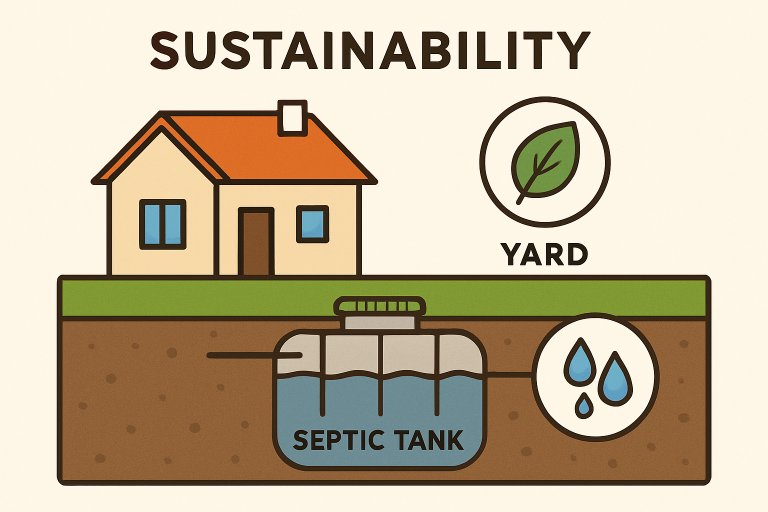
Minimizing water waste directly supports septic system longevity. Every gallon of water sent down the drain ends up in your septic tank, and excessive use can overload it, leading to premature system strain or failure. Simple changes—such as installing high-efficiency toilets and showerheads, fixing leaks quickly, and only running full loads in dishwashers and washing machines—help reduce your household’s overall water footprint. For businesses or larger properties, scheduling commercial septic system cleaning can prevent costly backups and extend system life. Smart water management not only aids your septic operation but also conserves a precious natural resource.
Use of Eco-Friendly Products
Commercial cleaners and household chemicals can disrupt the delicate bacterial ecosystem that powers your septic system. Opting for biodegradable, phosphate-free, and non-toxic products labeled as “septic-safe” protects this microbial balance and ensures that waste is broken down efficiently. Avoid pouring harsh substances like bleach, pesticides, or oil-based paints down your drains. Switching to green alternatives for your laundry, dishwashing, and general cleaning routines minimizes chemical loading to the environment, creating healthier homes and communities.
Proper Waste Disposal
Appropriate waste disposal is one of the most actionable ways to protect your system. Non-biodegradable items should never be flushed, including wipes (even those labeled “flushable”), cotton swabs, dental floss, and feminine hygiene products. These can cause blockages, result in costly breakdowns, and increase pollution risk to local waterways. Cooking fats, oils, and grease are also threatened when poured down drains, as they can solidify and cause blockages. Instead, collect these byproducts in a container and dispose of them with household rubbish.
Landscape Management
Thoughtful landscaping around your septic system area can prevent unnecessary repairs and protect your property’s ecological health. Roots from trees and shrubs can infiltrate and damage septic components, leading to leaks or backups. Plant shallow-rooted species instead, and keep gardens, trees, or structures safe from your septic field. Regularly check for overgrown vegetation or standing water, which could indicate a failing system. Using organic mulches and avoiding chemical-laden fertilizers nearby further supports the wellness of your septic system and the surrounding environment.
Educational Resources
Staying updated on the latest best practices ensures you’re making informed decisions for your property. The EPA’s SepticSmart program offers free guides, videos, and printable resources to help homeowners and business operators understand proper system management and eco-friendly tips. Continuous learning helps foster better habits and galvanizes broader community initiatives toward environmental protection.
By actively committing to these eco-friendly maintenance strategies, you not only extend the life of your septic system but also contribute to cleaner communities, healthier local ecosystems, and a more sustainable future for all.