
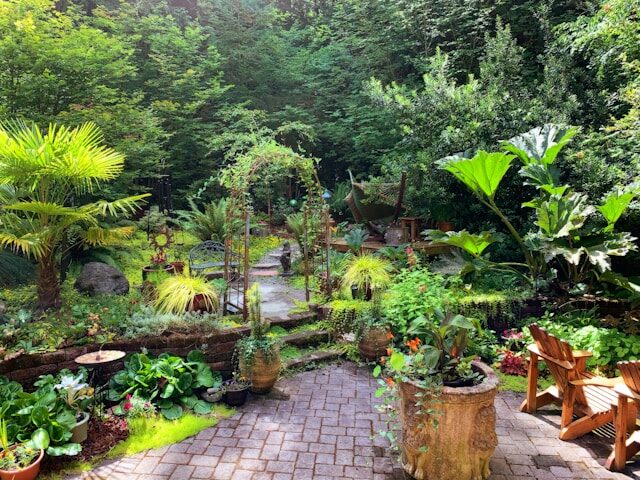
Key Takeaways
- Understand basic, cost-effective landscaping ideas to enhance your outdoor space.
- Learn tips for choosing the right plants, incorporating hardscaping, and maintaining your yard.
Table of Contents
- Introduction
- Choosing the Right Plants
- Incorporating Hardscaping
- Creating Functional Spaces
- Maintenance Tips
- Seasonal Tips and Tricks
Introduction
Creating a picturesque outdoor space requires simple designs or extensive budgets. With imagination and thoughtful design, you can make a gorgeous haven in your yard that enhances your lifestyle and matches your house. Whether starting from scratch or looking to refresh your existing landscape, incorporating simple landscaping ideas, including services like landscaping Kent, can make a significant difference. These ideas beautify your surroundings and add functionality and curb appeal, making your outdoor area a delightful place to relax and entertain.
Choosing the Right Plants
Choosing the plants for your landscaping is essential in establishing a thriving and aesthetically pleasing outdoor space. Start by considering your local climate and soil conditions to ensure your chosen plants can naturally thrive. Consider a combination of evergreens for year-round structure, colorful perennials for seasonal appeal, and native species that need minimal upkeep. Also, factor in each plant’s height, spread, and growth patterns to achieve a well-proportioned and harmonious arrangement. By thoughtfully selecting plants that complement each other and your overall design plan, you can create a sustainable and attractive landscape that matures gracefully over time.
Incorporating Hardscaping
Hardscaping features like patios, retaining walls, and walkways can give your yard more structure and use. Stone, wood, and brick can be used to create visually appealing features that require minimal upkeep.
Walkways and Patios
Walkways and patios enhance your yard’s appearance, provide practical pathways, and create seating areas. Choose materials that complement your home’s style, like rustic flagstone or contemporary pavers. They guide movement and create distinct spaces for activities. Properly designed walkways and patios improve drainage, reduce soil erosion, and enhance the garden’s health and longevity.
Retaining Walls
Retaining walls, made from stone, concrete, or wood, stabilize slopes and add visual interest to gardens. They can create level areas for planting beds, seating, or art and help manage runoff and erosion. These structures protect landscaping investments and enhance their durability over time, making them valuable to any garden.
Creating Functional Spaces
Designing functional outdoor areas involves carefully planning and deliberately positioning features that address your practical requirements and visual preferences. Whether creating a comfortable seating space for outdoor get-togethers, defining walkways for easy movement, or integrating raised plant beds for efficient gardening, each component should have a specific function while seamlessly fitting into the overall outdoor design. By giving equal importance to usefulness and attractiveness, you can establish outdoor areas that improve your yard’s usability and enhance your daily living experience.
Maintenance Tips
Maintaining your landscaped yard is crucial for its longevity and appearance. Regular weeding, mulching, and pruning can keep your garden looking its best. Installing a simple irrigation system can also save time and water.
Weeding and Mulching
Regular weeding is crucial for a healthy garden, and mulching helps suppress weeds and retain soil moisture, promoting plant growth. Organic mulches such as wood chips or straw decompose gradually, enhancing soil productivity and reducing the necessity for regular watering. Additionally, they help retain soil moisture and keep it cool.
Pruning and Watering
Pruning eliminates unhealthy or dead branches and encourages healthy development. An efficient irrigation system ensures consistent moisture without overwatering. Proper watering techniques prevent stress and promote robust growth. Adjusting schedules based on seasonal changes and rainfall conserves water and maintains plant health.
Seasonal Tips and Tricks
Adjusting your landscaping routine based on the season can optimize your garden’s health. For instance, spring is an excellent time for planting new flora, while fall is perfect for mulching and preparing your garden for winter.
Spring and Summer
Spring is a great time to plant new plants and refresh your garden, while summer maintenance involves regular watering and pest monitoring. Use mild weather to establish new plants before the summer heat sets in. During summer, focus on soil moisture and protect plants with shade cloths or strategic planting.
Fall and Winter
Prepare your garden for colder months in autumn by mulching and wrapping delicate plants. Trim any dormant plants and shield your garden from inclement weather during the winter. Clear fallen leaves and debris to prevent mold and pests, apply a thick mulch to insulate roots, use burlap or frost blankets to shield sensitive plants from freezing temperatures and prune deciduous trees and shrubs during their dormant period.