
Key Takeaways:
- Commercial demolition services ensure safety, efficiency, and compliance with local regulations.
- Proper assessment and planning are crucial for a successful demolition project.
- Expect clear communication and coordination from the demolition team throughout the process.
- Site cleanup and waste management are integral parts of the demolition service.
- Leading demolition services prioritize environmental responsibility and sustainability.
Table of Contents:
- Introduction
- Initial Assessment and Planning
- Building Demolition Techniques
- Safety Measures and Compliance
- Communication and Coordination
- Site Cleanup and Waste Management
- Environmental Considerations
- Conclusion
Clearing the old structure is often the first step when embarking on a new construction project. Hiring a commercial demolition service is essential in handling this process expertly and safely. But what exactly can you expect when engaging in such services? Understanding the basics of commercial demolition will help you prepare and make informed decisions.
Introduction
Commercial demolition is not just about tearing down structures; it requires thorough planning, expertise, and precision. As you prepare to engage in a demolition service, it’s essential to understand the various stages and what each entails. This guide sheds light on the key aspects and processes involved in commercial demolition, helping you know what to expect and how to prepare for this crucial phase of your construction project.
Initial Assessment and Planning
The journey begins with an initial assessment, during which the commercial demolition company evaluates the site and the structure that needs to be demolished. This phase involves detailed site surveys to understand every aspect of the building and its surroundings. Accurate assessments are critical to identifying potential hazards, determining the scope of work, and planning the required resources. Precise planning sets the stage for a smooth demolition process, ensuring efficiency and safety from start to finish.
Building Demolition Techniques
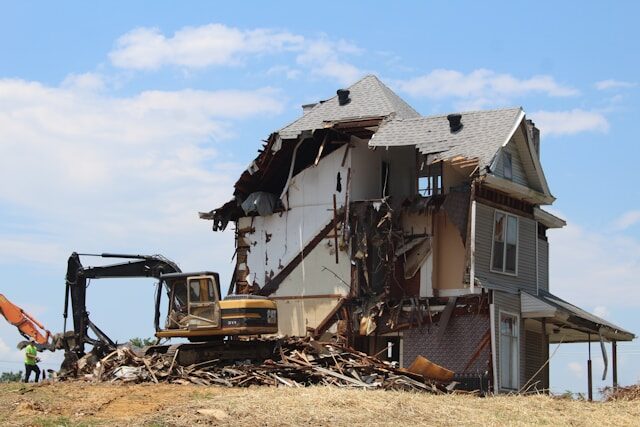
Once planning is complete, the actual process of building demolition begins. Various techniques may be utilized depending on the structure’s size and location. Mechanical demolition is typical for large structures that use heavy equipment like excavators and wrecking balls. For sites requiring more precision, controlled demolition methods such as implosion may ensure minimal impact on surrounding areas. Each technique is selected based on specific site requirements and structural characteristics.
Safety Measures and Compliance
Safety is paramount in every commercial demolition project. The process involves stringent adherence to safety protocols to protect workers, the public, and the environment. Before the commencement of demolition activities, safety assessments are conducted to identify potential risks. Protective measures such as dust control systems, barricades, and safety gear for workers are put in place to minimize hazards. Moreover, compliance with local regulations and obtaining necessary permits is critical to avoid legal issues and ensure a smooth operation.
Communication and Coordination
Effective communication is a cornerstone of any successful demolition project. Expect regular updates and open lines of communication from the demolition team to inform you about the progress and any possible challenges. Coordination between the demolition crew and other stakeholders—such as contractors, engineers, and local authorities—is essential to ensure the project stays on track and within budget. A dedicated project manager often facilitates this communication, acting as a liaison between you and the demolition team.
Site Cleanup and Waste Management
After the demolition, attention turns to site cleanup and waste management. The debris generated during demolition must be sorted, transported, and disposed of responsibly. Many companies offer comprehensive cleanup services that include salvaging materials for recycling and ensuring that waste is disposed of in compliance with environmental standards. This phase is crucial to prepare the site for future construction and minimize the environmental impact of the demolition activities.
Environmental Considerations
Environmental responsibility is at the forefront of modern demolition practices. Leading companies utilize eco-friendly demolition techniques to reduce their carbon footprint and promote sustainability. From recycling materials to using non-toxic substances for deconstruction, these practices aim to minimize ecological disruption. Additionally, some demolition services offer consultation on sustainability strategies, further reinforcing the importance of environmentally conscious operations in the construction industry.
Conclusion
Hiring a commercial demolition service is a critical step that sets the foundation for successful construction. Understanding what to expect throughout each stage—from initial assessment to final site cleanup—will help ensure the process runs smoothly and efficiently. Prioritizing safety, communication, and environmental responsibility, professional demolition services provide the expertise and resources necessary to clear the way for your next big project, allowing you to focus on building the future.