
Table of Contents
- The Allure of Collecting Chess Sets
- Iconic Historical Chess Sets
- Materials and Craftsmanship
- Where to Find Rare Chess Sets
- Preserving and Maintaining Your Collection
- Investing in Chess Sets
- Connecting with Other Collectors
- Conclusion
Chess sets hold a unique fascination for collectors and enthusiasts alike, combining timeless beauty with intricate design. Far beyond their purpose as tools for a strategic game, these sets represent tangible links to diverse histories, artistic traditions, and cultures worldwide. Whether you’re an aspiring collector or a seasoned chess aficionado, exploring the world of vintage chess sets can open the door to fascinating stories and artifacts that bring the past vividly to life.
The allure lies not only in the gameplay but in the artistry and heritage represented by each unique set. Capturing the imagination of many, chess sets have evolved alongside civilizations—from royal courts to rural workshops—each set bearing the imprint of its era and place of birth. Collecting these treasures offers not just aesthetic pleasure but a rewarding journey through history and craftsmanship, each set adding another chapter to a global tapestry of strategic artistry.
The Allure of Collecting Chess Sets
Collecting chess sets bridges a love for strategic play with an appreciation for artistic expression and historical narrative. Enthusiasts are often captivated by the diversity found in chess pieces, each set echoing the customs, values, and innovations of its makers. From ornate hand-carved kings to minimalist modern pawns, every set offers an opportunity to experience the cultural currents that shaped its design. The challenge and thrill of the hunt—tracking down rare or one-of-a-kind pieces—also serve to deepen one’s engagement with the world of chess.
The world’s most valuable chess sets are often those that carry a significant story or connection to a particular time and place. The historical journey encapsulated in these objects can turn a collector’s cabinet into a microcosm of global history.
Iconic Historical Chess Sets
Certain chess sets have achieved legendary status due to their age, craftsmanship, or the mysteries that surround them. One of the most celebrated examples is the Lewis Chessmen. Discovered off the coast of Scotland in the 19th century, these 12th-century pieces are carved from walrus ivory and whale teeth, their expressive faces adorned with minor clothing illuminating the Norse world of medieval Europe. The pieces are now exhibited at the British Museum and the National Museum of Scotland, where they continue to inspire fascination and scholarly inquiry.
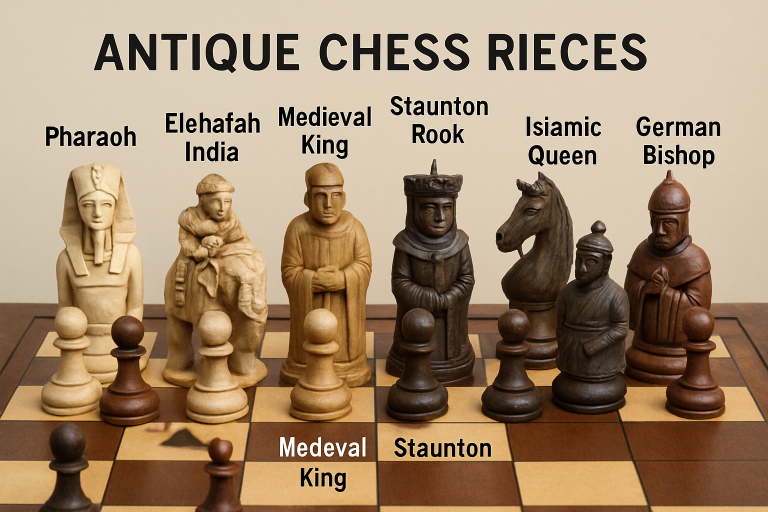
Another icon is the Chinese ivory chess set from the 18th century, featuring delicately carved figures standing atop miniature filigree globes. Crafted during the Qing dynasty, these sets are prized for their technical virtuosity and cultural significance, representing the cross-pollination of chess traditions between Europe and Asia.
Materials and Craftsmanship
The diversity of materials used in chess sets contributes significantly to their desirability and value. Traditional favorites like ebony, rosewood, and boxwood are highly prized for their durability and warmth, while materials like ivory, bone, marble, and various metals symbolize luxury and intricate craftsmanship. The skill of the artisan is often revealed in the smallest details, from delicate inlays and hand-carved crowns to flawless turning and finishing.
Handmade wooden chess sets, particularly those employing age-old turning and carving techniques, remain among the most sought-after collectibles for their artistry and historic ties to the game’s early days.
Where to Find Rare Chess Sets
Finding and acquiring rare or valuable chess sets requires a combination of patience, thorough research, and effective networking. Online platforms such as auction houses and reputable marketplace websites are familiar sources for both vintage and modern collectibles. Collectors should be vigilant in verifying the authenticity and provenance of each set to avoid modern replicas or forgeries. Estate sales, antique shops, and specialized fairs offer limited-edition opportunities, particularly for those who prefer a hands-on approach to evaluating condition and craftsmanship. Participation value n in chess collector forums and clubs can also yield helpful tips and leads on rare finds.
Preserving and Maintaining Your Collection
Proper care is crucial to maintaining the beauty and value of a chess set collection. Pieces should be stored in a climate-controlled environment, shielded from direct sunlight, high humidity, and rapid temperature changes. Regular dusting with a soft cloth and occasional gentle cleaning are recommended, taking special care with delicate materials such as ivory or lacquer. Cotton gloves can help prevent oils and dirt from transferring onto valuable pieces, and professional conservation may be warranted for particularly fragile or historic sets.
Investing in Chess Sets
While many collectors are drawn by passion, the investment potential of certain chess sets adds another dimension to the hobby. Limited edition sets, those commissioned by renowned artists, or sets with documented historical significance, are likely to appreciate over time. Staying informed on market trends by following auction results, consulting with experts, and subscribing to specialty collector publications can help guide investment decisions in the chess set market.
Connecting with Other Collectors
The chess collecting community offers abundant opportunities for learning, trading, and sharing discoveries. Online forums, social media groups, and chess museums—such as the World Chess Hall of Fame—regularly host events, exhibitions, and discussions dedicated to this enduring pursuit. Personal relationships with fellow collectors can deepen understanding, build networks, and enrich the collecting journey in unexpected ways.
Conclusion
Chess set collecting is much more than a hobby; it is an invitation to explore history, artistry, and human ingenuity through objects that have delighted and challenged people for centuries. Every chess set tells its own story, adding new perspectives to a tradition that is as rich as it is ancient. Whether motivated by artistic appreciation, historical curiosity, or investment potential, collectors will find that each set they acquire is a gateway to a broader world of discovery and connection.