
Key Takeaways
- Water quality has a significant impact on public health, local ecosystems, and the global economy.
- Climate change and industrial practices are escalating water contamination risks.
- Access to clean drinking water remains a significant challenge for billions worldwide.
- Individual actions and regulatory policies are vital in safeguarding water resources for the future.
Table of Contents
- Health Impacts of Poor Water Quality
- Environmental Consequences
- Economic Implications
- Climate Change and Water Quality
- Global Water Scarcity
- Steps to Improve Water Quality
Water is the essence of daily living, intimately shaping our health, environment, and even local economies. Yet, awareness about the condition of our water sources doesn’t always match its importance. Whether it’s for hydration, cooking, or sanitation, the quality of water in our households and communities affects everything from disease prevention to food safety. Proactive steps, such as regular Raleigh water testing, not only protect families but also contribute to broader environmental well-being.
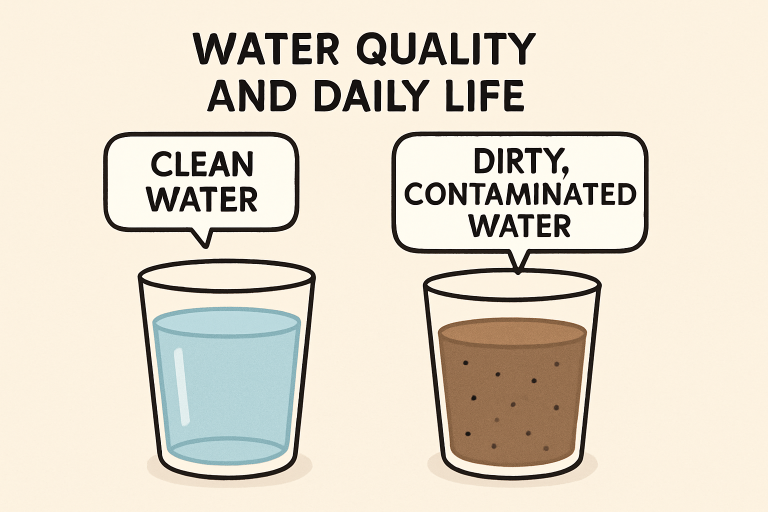
In both urban and rural areas, what flows out of our taps is a direct reflection of our infrastructure, policy choices, and environmental stewardship. Unsafe water can silently undermine daily routines, yet tangible improvements are possible through community awareness and targeted interventions. Addressing water contamination isn’t just a public health mandate—it’s an investment in daily quality of life.
The ripple effects of water quality go beyond the home, shaping local businesses, property values, and social outcomes. Access to clean water enhances educational attendance, reduces medical expenditures, and fosters more resilient communities. Dealing with water quality isn’t only about crisis mitigation—it directly influences long-term growth and opportunity.
Health Impacts of Poor Water Quality
Waterborne diseases remain one of the most preventable yet significant health risks worldwide. Contaminated water, often carrying pathogens such as bacteria, viruses, and parasites, is a primary source of illnesses like cholera, dysentery, typhoid fever, and hepatitis A. The World Health Organization estimates that unsafe water causes about 3.5 million deaths each year, disproportionately affecting children and vulnerable populations. Complementing water safety efforts with proper air filtration and purification in homes and public spaces can further reduce exposure to airborne pathogens and allergens, supporting overall health and wellness.
Even in developed countries with advanced infrastructure, water systems can sometimes fail due to aging pipes, industrial runoffs, or agricultural pollutants. Cases like the lead contamination in Flint, Michigan, revealed the grave long-term consequences of water failing to meet regulatory standards. Chronic exposure to contaminants like heavy metals or pesticides not only leads to acute illness but can also increase risks for cancers and developmental abnormalities over time.
Environmental Consequences
When water sources become polluted, entire ecosystems are thrown out of balance. Nutrient-rich runoff from farms, carrying fertilizers and animal waste, leads to algal blooms in lakes and rivers. These blooms can deplete oxygen in water, creating “dead zones” where fish and aquatic life struggle to survive. Chemical contaminants can bioaccumulate through food webs, threatening biodiversity and disrupting habitats for birds, fish, and amphibians.
In turn, loss of native species and compromised water quality can limit recreational activities, reduce the natural beauty of landscapes, and undermine conservation efforts. The health of forests, wetlands, and coastal zones is closely tied to the purity of nearby water bodies, making pollution a problem that quickly multiplies its impact.
Economic Implications
Water pollution and scarcity have profound economic costs across multiple fronts. Industries reliant on clean water—like agriculture, fishing, and tourism—suffer when local resources become unusable. For example, harmful algal blooms have led to tens of millions of dollars in tourism losses annually in some U.S. states, along with impacts on commercial fisheries and increased water treatment costs.
Communities investing in sustainable water infrastructure not only reduce future healthcare and remediation expenses but also boost local economies by fostering reliability and attracting new residents and businesses. On the other hand, areas experiencing water crises often witness declines in property values, lost workdays, and mounting social costs associated with poor health outcomes.
Climate Change and Water Quality
Climate change amplifies water quality challenges through events such as intense floods and prolonged droughts. Flooding can overwhelm treatment plants or septic systems, causing contaminants to be flushed into groundwater and surface water supplies. Droughts concentrate pollutants by reducing the dilution capacity of rivers and reservoirs, thereby increasing overall toxicity and complicating and increasing the cost of purification.
As weather patterns become more unpredictable, communities near coastlines, rivers, and floodplains are particularly vulnerable. Ensuring resilience means not only preparing for disasters but also updating infrastructure and adopting land-use policies that reduce future risk.
Global Water Scarcity
Over 2 billion people worldwide lack access to safely managed drinking water. This systemic scarcity leads to ongoing health crises, spreads waterborne diseases, and forces families—mainly in rural regions—to spend hours each day collecting water from distant or unsafe sources. The United Nations considers access to clean water a fundamental human right, essential for social equity and sustainable development.
Water scarcity can also fuel regional tensions and conflicts, as populations and industries compete for limited, precious resources. Solving global water challenges is crucial for achieving peace, promoting education, and reducing poverty.
Steps to Improve Water Quality
Regulation and Community Action
Enhancing water quality is an all-hands effort. At the governmental level, stringent regulations on industrial and urban discharges are essential. Enforcing these rules, with advanced monitoring solutions, prevents harmful chemicals and pathogens from entering public supplies.
Sustainable Practices and Education
Transitioning to sustainable agriculture—using fewer synthetic fertilizers, rotating crops, and maintaining buffer zones near water bodies—dramatically reduces runoff. Investment in modern water treatment plants and green infrastructure ensures both immediate and long-term benefits for communities.
Individual Steps for Healthier Water
- Schedule routine water testing to detect issues early.
- Practice safe disposal of medications, chemicals, and waste.
- Install home filtration systems for an extra layer of protection.
- Support local conservation efforts and pollution prevention programs.
By advancing these efforts at the individual, community, and policy levels, we can collectively protect this vital resource, ensuring a safer, healthier, and more sustainable future for everyone.