
Key Takeaways:
- Understanding the root causes of mold growth can help in prevention.
- Regular home maintenance is crucial to prevent mold issues.
- Knowing effective mold remediation techniques can save time and money.
- Consulting with professionals for severe mold problems is recommended.
Introduction to Mold Growth in Homes
Home mold growth is a common yet severe issue that homeowners often face. This unsightly problem can lead to various health problems, such as respiratory issues, skin irritation, and even severe allergic reactions. The structural damages mold can cause to your home are equally concerning, including the deterioration of walls, ceilings, and flooring. Knowing the steps for mold remediation can save considerable time, effort, and expense.
Why Mold Grows in Homes
High moisture and humidity levels, common in many residential areas such basements, kitchens, laundry rooms, and bathrooms, are ideal conditions for mold growth. Mold grows easily in environments with high indoor humidity, inadequate ventilation, and water damage from leaks. As the EPA notes, stopping mold growth requires resolving these moisture-related problems. Maintaining appropriate ventilation and managing humidity levels can have a significant impact. For example, installing exhaust fans in kitchens and bathrooms can aid in lowering moisture levels, while controlling humidity in bigger spaces can be achieved by purchasing a high-quality dehumidifier.
Identifying the Early Signs of Mold
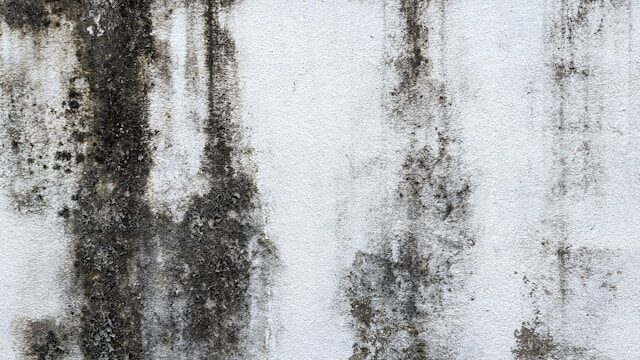
Early detection of mold is invaluable for limiting damage and mitigating health risks. Typical early signs include musty or earthy odors, often the first indicators of hidden mold colonies. Visible mold can appear as black, green, or white spots on walls, ceilings, and other surfaces. Increased allergy symptoms among household members, such as sneezing, coughing, or eye irritation, can also indicate mold presence. Acting swiftly when these signs are detected is crucial. This may involve inspecting the suspected areas, drying out moisture, and cleaning mold using appropriate agents.
Preventative Measures to Avoid Mold Growth
- Maintain Proper Ventilation: Proper ventilation prevents mold in moisture-prone areas, such as bathrooms and kitchens. Installing exhaust fans can help expel moist air, reducing humidity buildup.
- Control Humidity Levels: A dehumidifier is one of the best methods for regulating interior humidity. To prevent mold spores from growing, try to keep indoor humidity levels below 60%, preferably between 30 and 50%.
- Fix Leaks Promptly: If left untreated, leaks can develop into serious mold issues. Look for leaks in your home’s roof, plumbing, and basements and fix them immediately to prevent mold and water damage.
- Regular Cleaning: Cleaning and drying areas prone to moisture buildup can prevent mold from growing. Use mold-killing cleaning agents on bathroom surfaces, kitchens, and basements, particularly in corners and hidden areas.
Effective Mold Remediation Techniques
If mold is already present in your home, using effective remediation techniques is essential to prevent further damage and health risks. Household cleaners and protective gear like gloves and masks can suffice for minor mold issues. However, extensive mold infestations often require professional intervention. According to the CDC, proper mold remediation involves:
- The careful removal of moldy materials.
- Thorough cleaning of affected areas.
- She was addressing the moisture problem to prevent recurrence.
Employing professionals ensures mold removal safely and effectively, reducing the risk of further contamination.
When to Call in the Experts
While DIY methods can handle minor mold problems, severe mold infestations often necessitate professional help. Experts are crucial when mold covers a large area, if you suspect hidden mold behind walls or flooring, or if mold exposure affects your health. Professionals not only have the specialized equipment needed to detect and remove mold but also provide valuable expertise in preventing future growth. Their thorough approach often includes moisture control, air purification, and detailed cleaning, which homeowners may find difficult to accomplish independently. Consider mold removal services to ensure comprehensive and safe mold eradication from your home in such scenarios.
The Health Impacts of Mold Exposure
Mold exposure can lead to a number of health problems, so it is critical to deal with mold issues as soon as possible. It is extremely risky, particularly for people who already have health issues, including asthma, allergies, or compromised immune systems. Common symptoms include eye inflammation, skin irritation, and respiratory issues, including coughing and wheezing. Prolonged exposure can make these problems worse and result in long-term respiratory disorders.
Conclusion
Mold is a pervasive problem requiring a proactive prevention approach and effective management. By understanding the conditions conducive to mold growth and implementing proper measures, homeowners can prevent mold from establishing itself in their homes. Regular maintenance, timely leak repairs, and adequate ventilation and humidity control are essential. For significant mold problems, professional mold remediation services provide the expertise needed to eliminate mold safely and prevent its return. Ensuring a mold-free home protects the structure and its residents’ health.